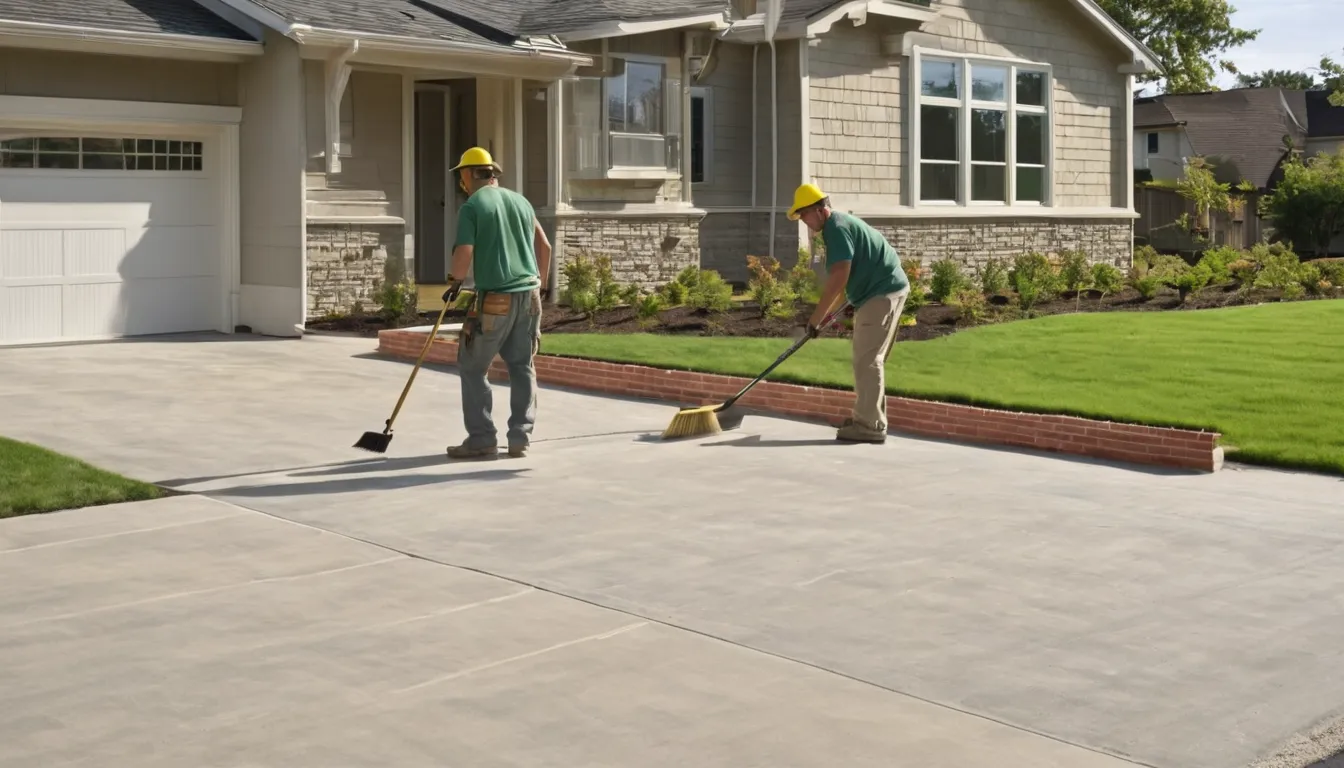
Planning New Concrete? Start With the Right Questions
Thinking about a new driveway or patio, but not sure where to begin? You are in the right place.
Physicallymanaged Concrete is a referral service. We connect homeowners in Conyers and the Conyers area with independent local providers who pour concrete driveways, stamped patios and other flatwork. The providers do the work. We help you reach them.
Here is the question most people ask first: how do I know it will last? The answer starts with a solid base, a good mix, the right slope and careful curing. It also depends on what happens in the weeks and years after the pour. Hot humid summers, sudden thunderstorms, the odd ice storm and rain from tropical systems all test a slab in Georgia.
So this site walks you through the whole path. What to ask before you hire. What each stage of curing looks like. How to protect the surface once the provider has packed up and gone home.
Request a callback to check provider availability for your project in Conyers.
Get an Estimate
Prefer to write it all down first? Send a request and describe your space.
Get an Estimate
How It Works
How does a referral service actually help?
You tell us a little about your project. We point you to a provider in our network who handles concrete work in your area. That provider talks with you, looks at the site and gives you a written quote. There is no obligation to accept it.
Physicallymanaged Concrete does not pour, finish or seal anything. We are not a contractor. Think of us as the friendly first step that saves you from cold-calling a long list of names.
What can you ask about?
Most requests fall into three groups:
- Concrete driveways: new pours, replacements and widening.
- Residential stamped concrete: patterns and colors for patios, walkways and pool decks.
- Concrete patios: backyard slabs for grills, chairs and gatherings.
Providers may also talk about general concrete flatwork, like walkways and pads. If a slab sits over a shaky foundation, some providers will work alongside foundation repair experts before new concrete goes down.
Why plan for upkeep before the pour?
Because the smartest time to prevent a crack is before it exists. Ask your provider about control joints, base depth, drainage and sealing right from the start. A slab that sheds water and gets cleaned and sealed on schedule tends to need far less concrete driveway repair later.
We call this approach protect the pour. First get the job done right. Then keep it that way with a few easy habits that this site explains step by step.
Serving Conyers and Beyond
Wondering whether a provider covers your street? Many homeowners ask the same thing, and it is a fair question.
Providers in our network work across Conyers and the Conyers area. That includes older mill-era neighborhoods with narrow drives and mature trees, and newer subdivisions with wide lots and fresh grading. Each setting has its own quirks. Tree roots, tight access for trucks, crawl-space homes and slab-on-grade homes all change how a job is planned.
Coverage differs from one provider to the next, and so does availability. The quickest way to find out is to ask.
Request a callback to check which providers can take on a project at your address.
Get an Estimate
Or send the details and let a provider follow up with questions of their own.
Get an Estimate
Keep Your New Concrete Looking Great
When can I walk or drive on it?
Patience pays here. Light foot traffic is often fine after a couple of days. Vehicles usually wait about a week. Concrete keeps gaining strength for roughly 28 days. Your provider will give the exact timing for your mix and weather.
What happens during the first week?
The first few hours matter most, because the surface is setting and finishing. Over the next days, moisture needs to stay in the slab so it cures evenly. Rushing this stage is how hairline cracks and dusty surfaces start.
Will summer heat and storms hurt fresh concrete?
They can. Heat dries the surface too quickly. A sudden thunderstorm can pit a fresh finish. Providers often plan pours around the forecast and cover the slab when needed. Ask how they handle a surprise shower.
Do ice storms matter in Georgia?
A little. Ice can sit on a driveway for days. Skip rock salt and harsh deicers on young concrete, since they can flake the surface. Sand adds grip without the damage. Wait through the first cold season before using anything strong.
How do I clean and seal it?
Sweep often and rinse with a hose. Mild soap handles most stains. Many providers suggest resealing every two to three years, and stamped concrete patios often look richer with a fresh sealer coat.
What about the ground and foundation underneath?
Concrete is only as steady as what holds it up. Poor drainage or soft soil can cause settling. If water pools near your home, bring it up early. Some providers can point you toward foundation repair experts for deeper issues.
What might it cost?
In the U.S., plain concrete often runs about $6 to $12 per square foot. Stamped work commonly runs $12 to $20 or more. Prices vary with size, access, thickness and finish, so always get a written quote.
What should I ask before saying yes?
- How deep will the base be?
- Where will the control joints go?
- How will water drain away?
- When should I seal it?
Good providers welcome these questions.
Talk to a Provider
Ready to take the next step? A quick conversation can clear up your questions about size, finish and timing.
Request a callback to check provider availability, and have your rough measurements and ideas handy.
Get an Estimate
If you would rather write it out, request an estimate and a local provider will reach out.
Get an Estimate